Representing Violence - firearms, media and the everyday
The end of the Cold War in the early 1990s marked the beginning of a roughly two decade-long period of increasing focus on high-tech warfare and digital security systems. However, recent years have seen an upswing of conventional firearms in everyday life and media representations across Europe. Heavily armed police officers and soldiers are conspicuously deployed on the streets of Western European metropoles, while a growing number of volunteer militias equipped with Soviet-era weapons are training for – and participating in – conventional war scenarios in Central Europe. Meanwhile, experiences of the public spaces in which these processes of remilitarization take place are highly determined by advanced (mobile) consumer technologies.
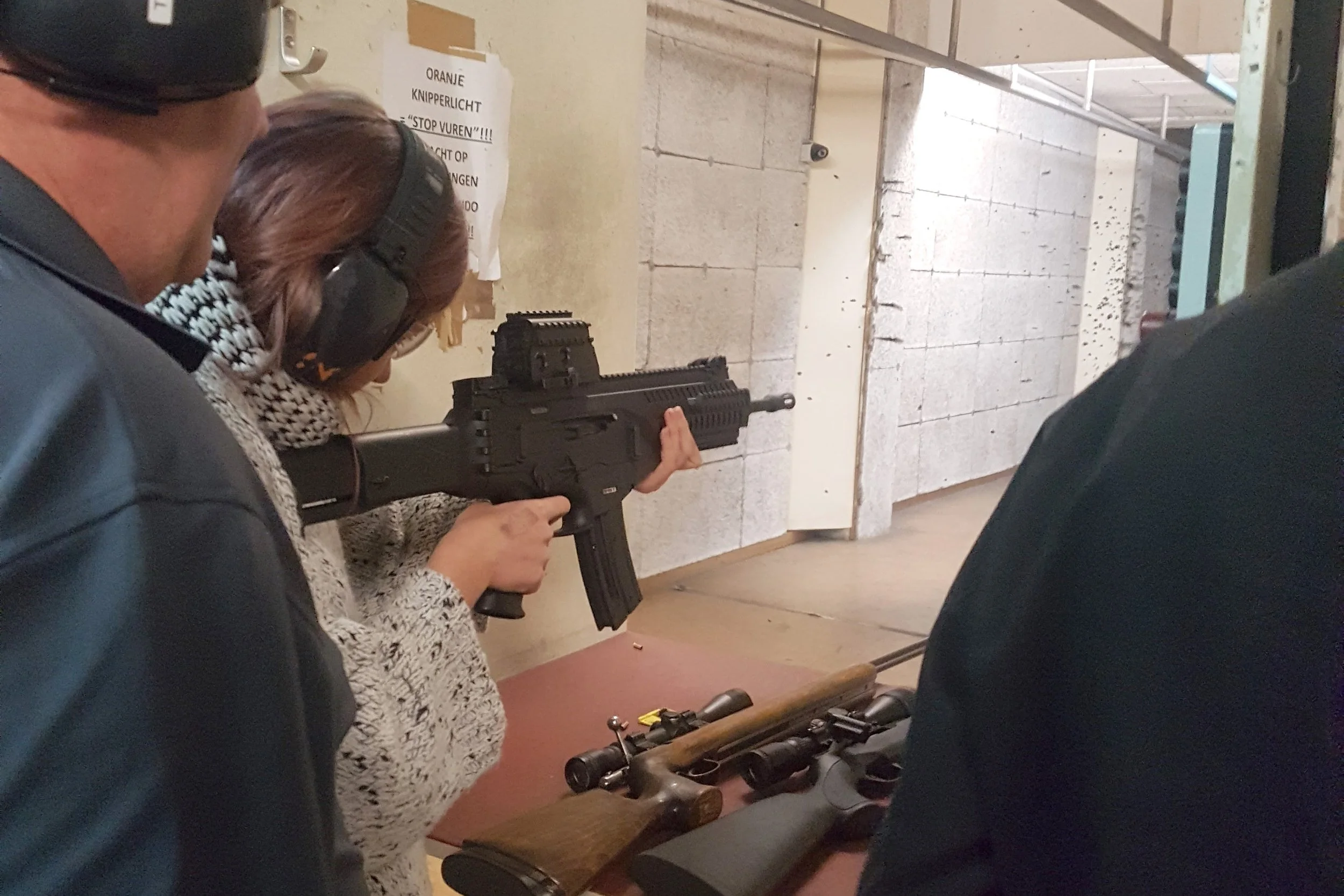
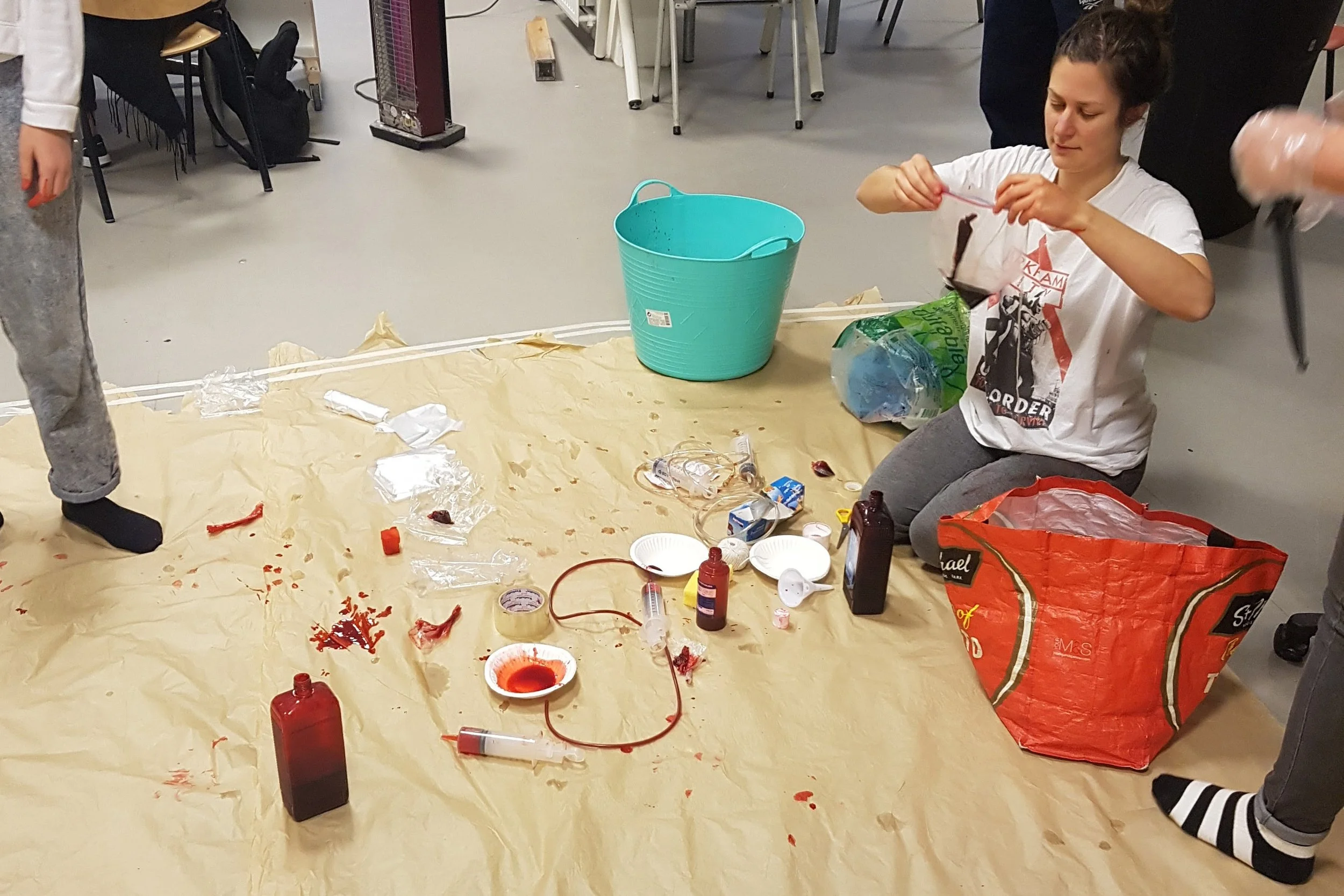
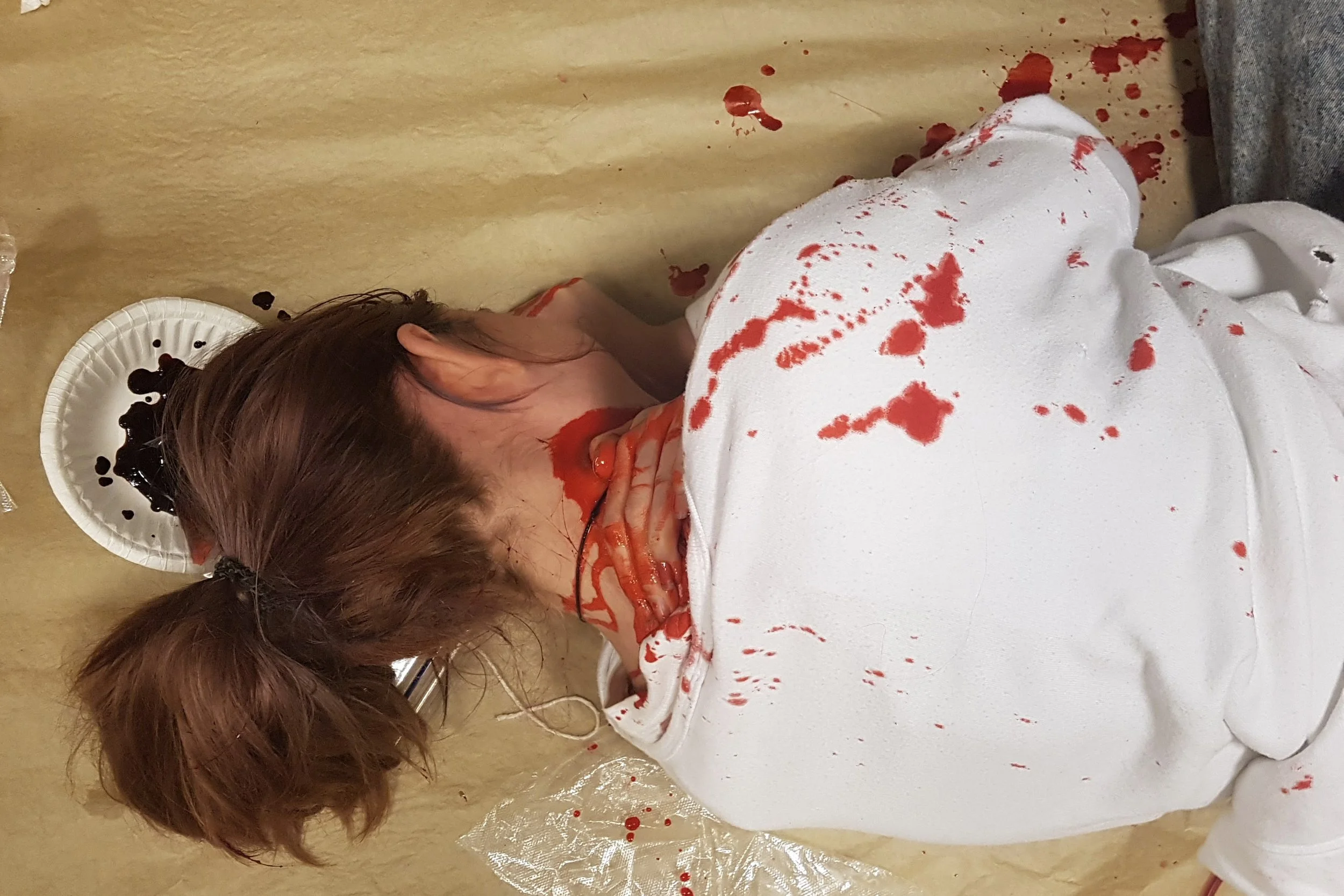
This practical and theoretical course explores this paradigm shift in representations and experiences of violence in relation to digital culture through both analogue and digital media in the context of cultural critical reflection and technology-based art practices. The course work will include a substantial amount of reading, a (basic) introduction to game development with Unity, site visits to a toy store and a shooting range, as well as hands-on explorations of theatrical blood effects.
two-week intensive workshop (36-48 hours) or semester course
The Royal Central School of Speech and Drama (2016)
Royal Academy of Art The Hague (2018)
University of Liepaja (2019)