Hardware Barriers and Software Eyes: Security and Spatial Practice in Digital Culture
Over the past few decades, camera surveillance of public space has steadily increased in most parts of the global north, while, more recently, physical barriers have been installed around many prominent and politically sensitive places in response to terrorist attacks. These physical interventions are complemented by various forms of surveillance based on the unintended byproducts of personal digital devices, such as wifi-trackers to measure space occupancy and open-source intelligence based on monitoring online behaviour.
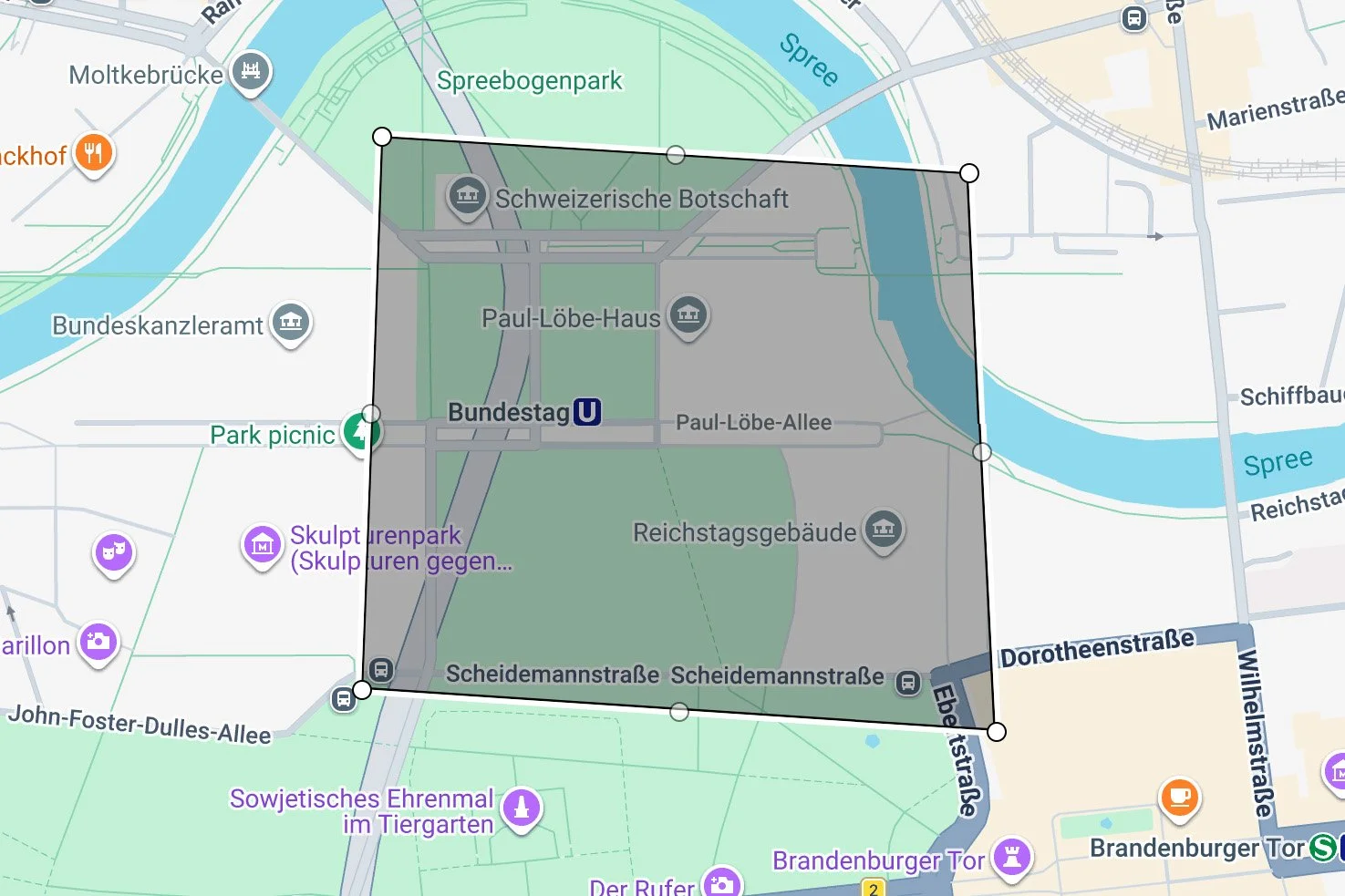
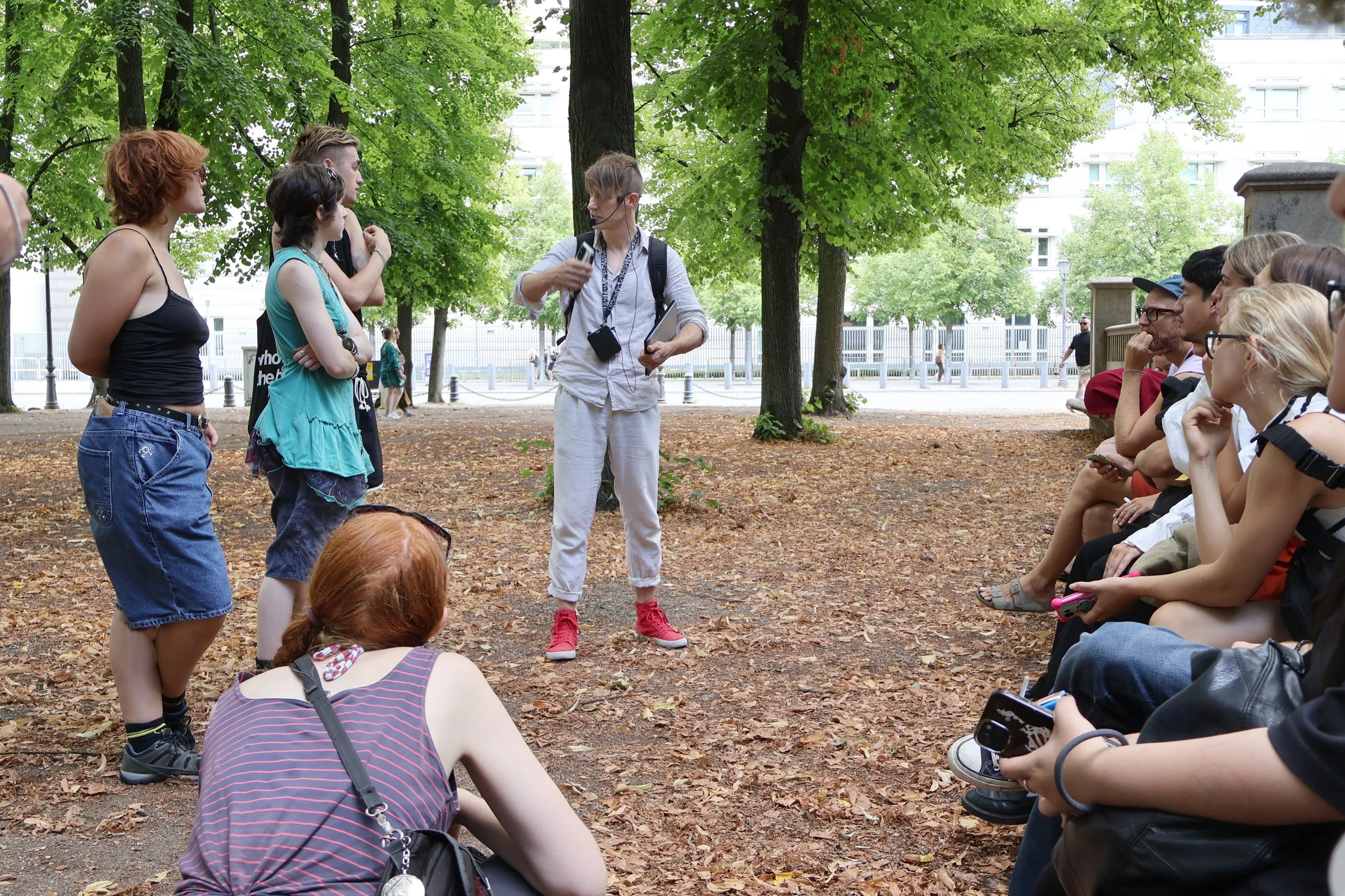
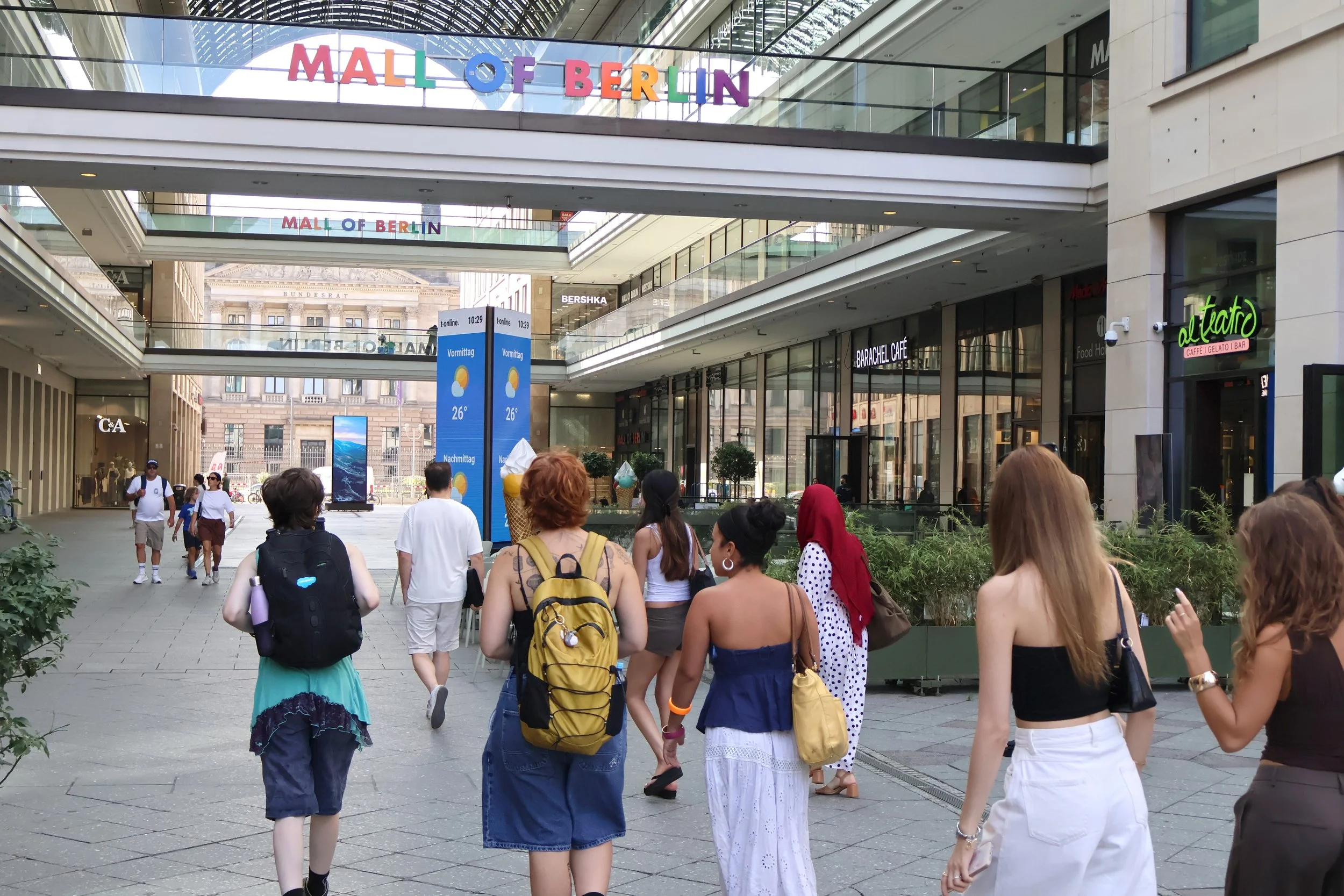
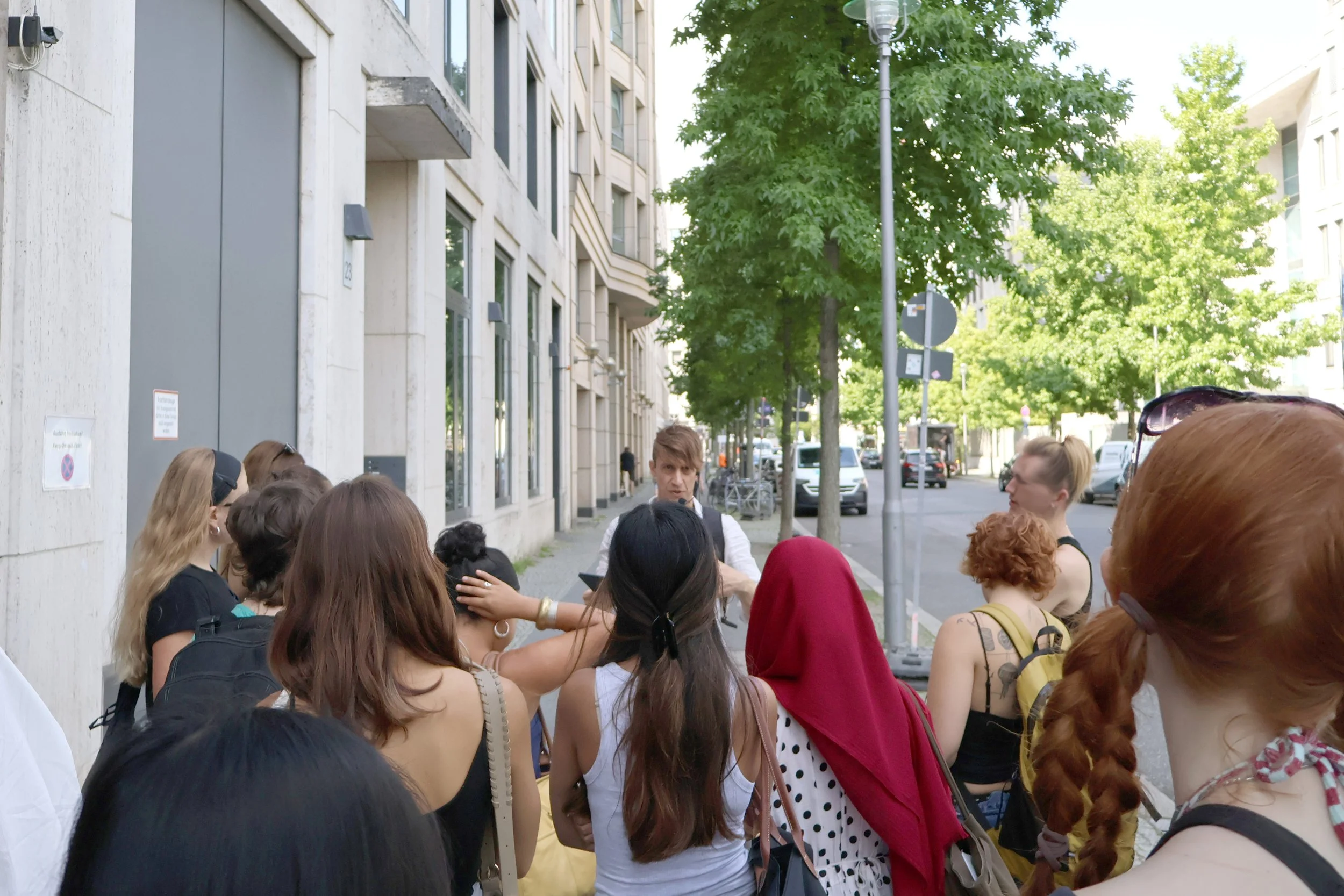
In this course, we will examine the political, technological and aesthetic aspects of these instruments of control in relation to digital culture and critical media practices. The course will consist of three components: Firstly, we will engage with relevant theoretical perspectives on surveillance technology, security and space, by thinkers including Hannah Arendt, Guy Debord and Michel Foucault. Through this, we will assess surveillance-related strategies and tactics employed by corporations, governments, artists and activists. A second element concerns physical explorations of digital devices and (public) space. This part will involve walks through the centre of the city to explore various kinds of security- and surveillance-related infrastructures, building on psychogeographical practices proposed by the French Situationist International movement in the 1960s and 70s. We will also engage with methods of data sonification applied to radio signals emitted by digital devices.
These two parts, thinking and walking, will then form the basis for practical work in digital art, combining self-made audio and video documentation of objects in public space, found surveillance video footage, detected digital device signals, image recognition algorithms, sound synthesis and other techniques. As part of this, we will explore various investigative methods, measuring equipment and open-source resources to gain insights in the perceptible and hidden layers of surveillance technologies used in public space.
One semester course (six 4-hour sessions + tutorials)
Royal Academy of Art The Hague (2022)
University of Music and Theatre Munich (2025)